One request in chat. Six handoffs. A finished 30 second ad in three hooks.
One job run through a small version of a multi-agent content pipeline, for the Home Kitchen niche and an ad for a fictional client, the glass container brand Brightlid. Below is the run exactly as the operator sees it: each bot, what it handed to the next one, and the files it produced. Click any stage to open it.
Brief done research-bot
Pulled top performing kitchen storage ads and wrote a one page brief.
Product   Brightlid 5 piece glass set (fictional client)
Audience  25 to 40, cooks on Sunday, takes lunch to work
Angle     waste less, lunch that still tastes fresh on Thursday
Proof     4 sided clip lid, fridge to microwave to dishwasher
Format    UGC voiceover, creator on camera, 30 s, 3 hooks
Sources   Meta Ad Library + TikTok Creative Center (top 20 ads)
Handoff   brief.md  >  script-bot
Script done script-bot
One 25 second body, three interchangeable hooks, written in the niche's tone.
HOOK A  I used to throw out half my groceries every week.
        Then I changed one thing.
HOOK B  One hour on Sunday. Five lunches. Watch this.
HOOK C  This is my Thursday lunch. And no, I didn't make
        it on Thursday.
BODY    These are Brightlid glass containers. The lid clips
        down on all four sides, so nothing leaks in my bag.
        They go from the fridge, to the microwave, to the
        dishwasher. No stained plastic, no weird smell.
        I prep on Sunday, stack them, and my fridge finally
        looks like I have my life together.
        And Thursday's lunch still tastes like Monday's.
CTA     The Brightlid five piece set. Tap the link and get yours.
Handoff script.md > voice-bot, asset-botAssets done asset-bot + voice-bot
Creator and product locked as reference sheets, then 8 shot stills. Voice with word timings.
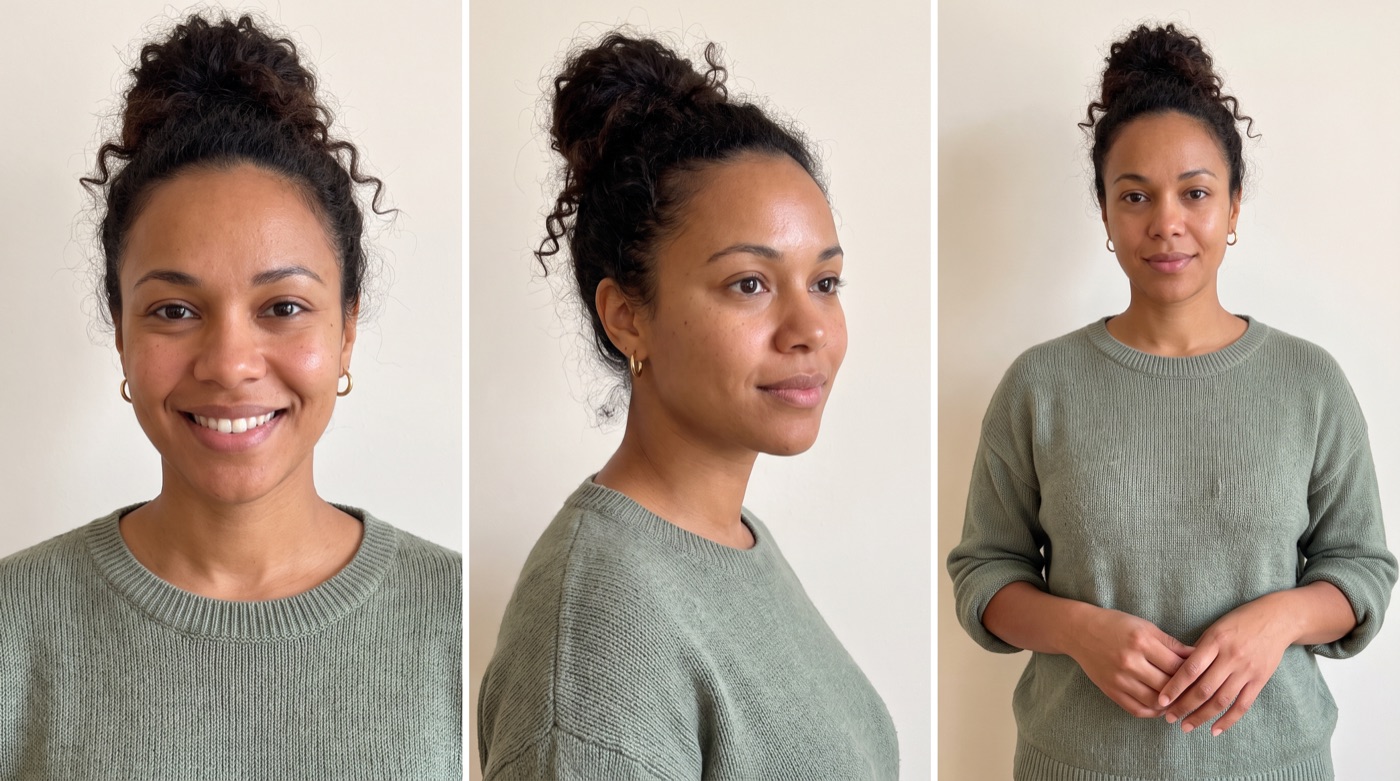
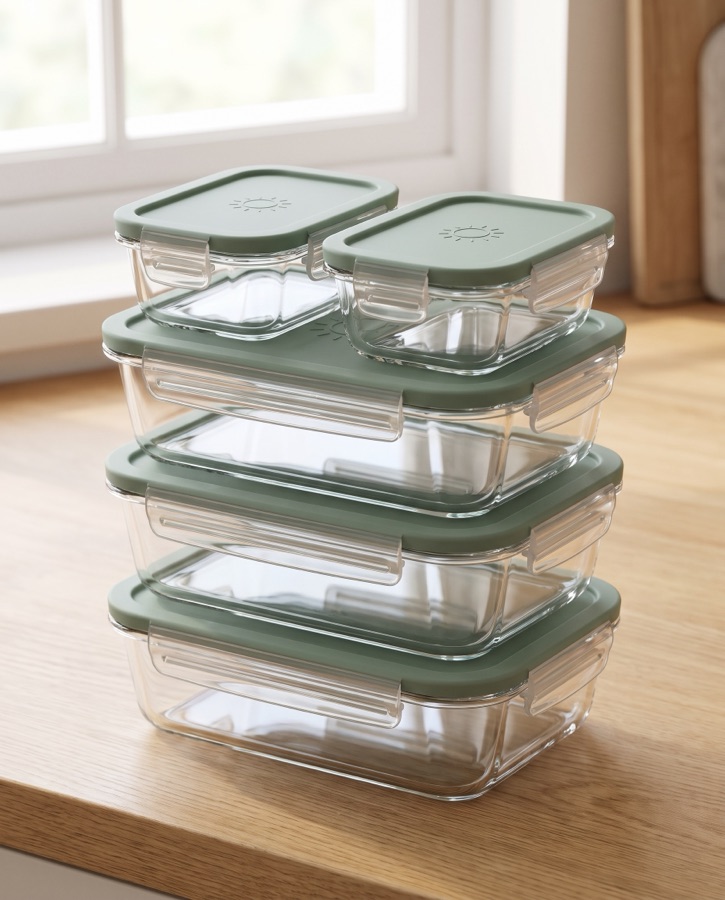
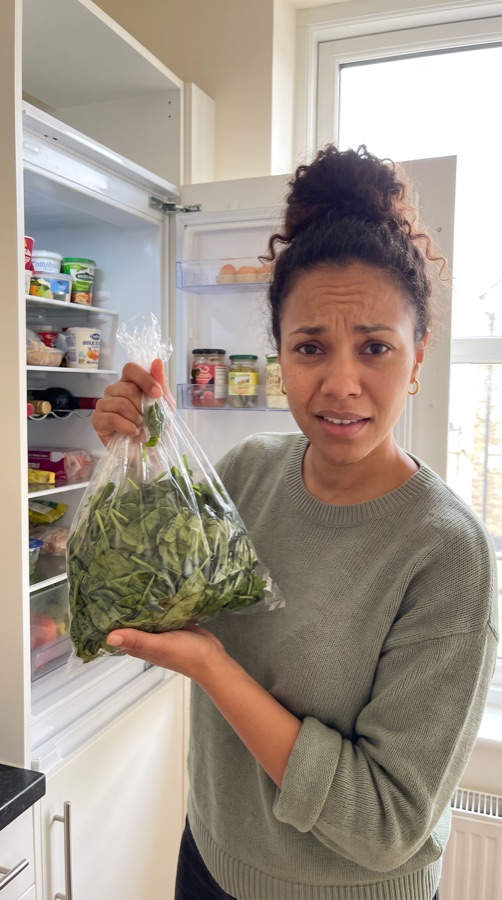
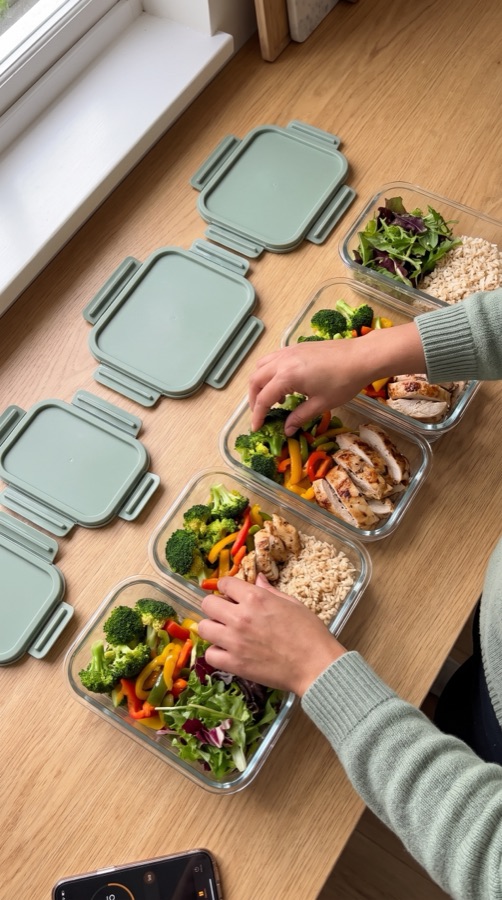
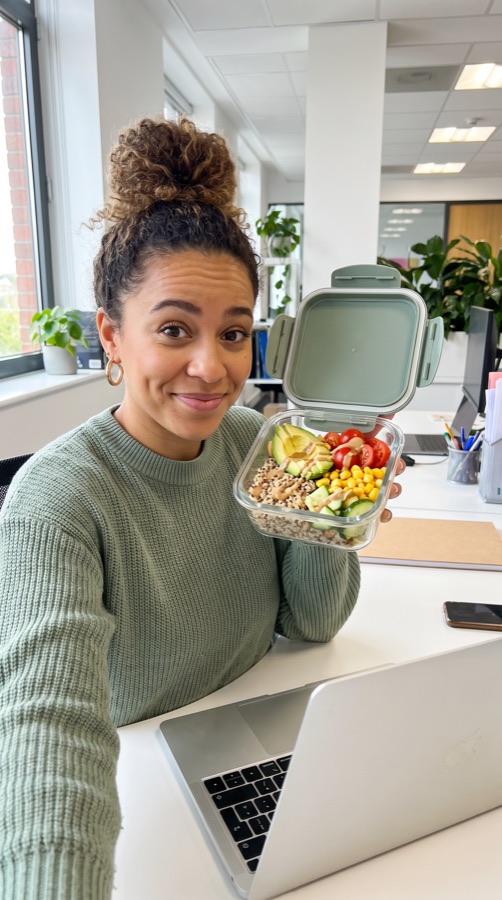
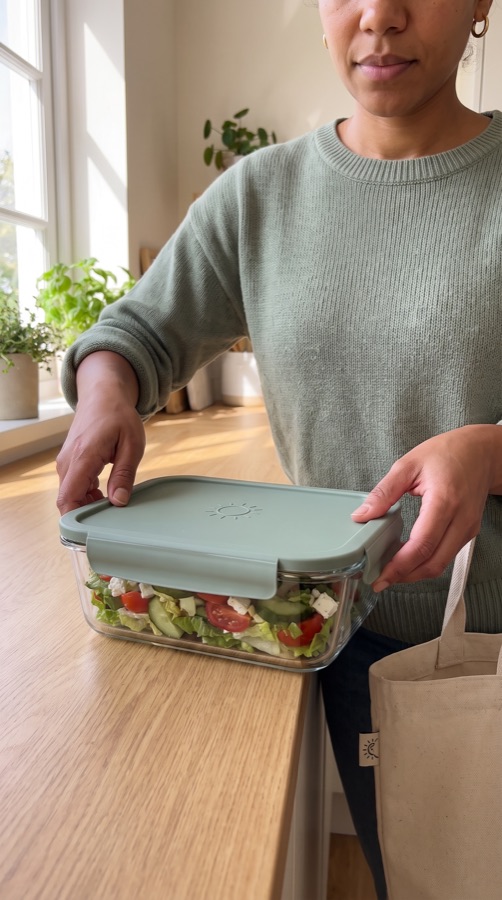
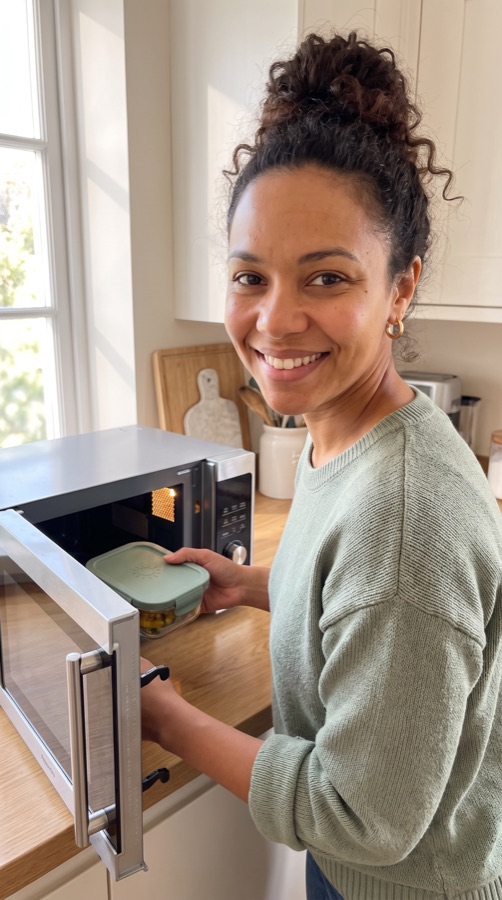
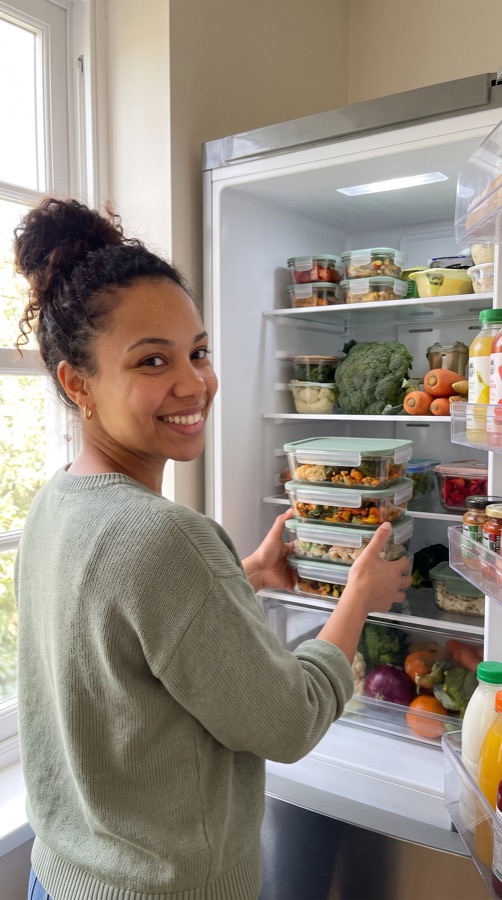
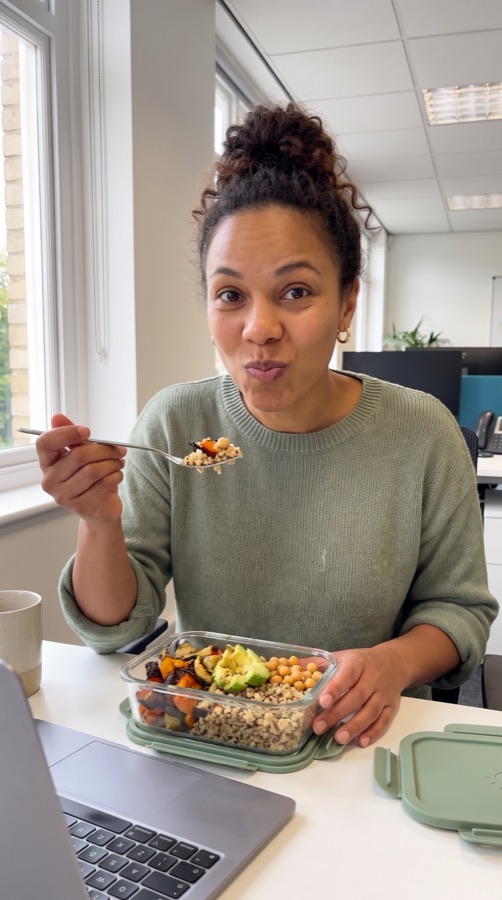
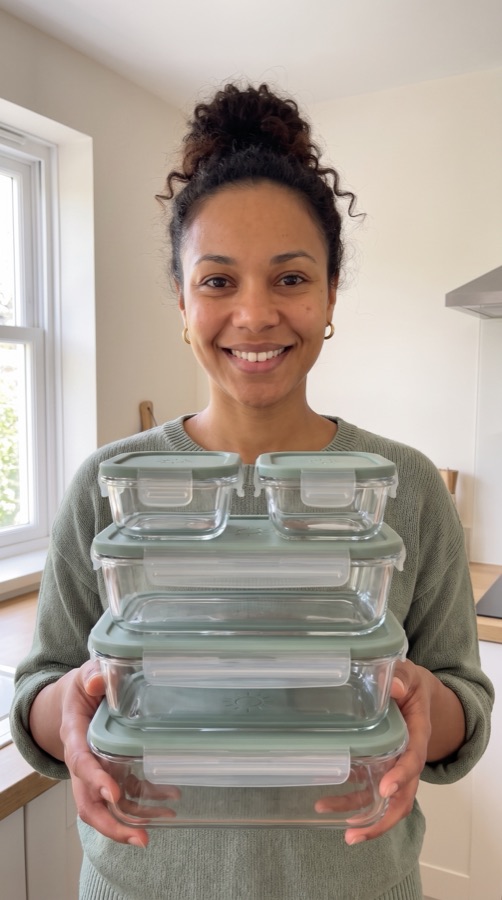
Stills  8 x 9:16 from the 2 reference sheets (same face, same lid)
Voice   ElevenLabs, young US female creator voice, 8 takes
Music   generated music bed, 100 bpm, no vocals
Video done video-bot + edit-bot
8 clips animated from the stills, cut to the voice, captions from the word timings.
Clips    8 x 6 s, 1080p, animated shot by shot from the stills
Edit     hook + 5 body shots, cut on the voice timings
Captions word by word, 3 words per line, active word highlighted
Formats  9:16 (x3 hooks), 4:5, 1:1, safe zones respected
Handoff  /renders  >  qa-bot
QA passed qa-bot
Automatic checks before a human sees anything.
- Speech transcribed back with Whisper: every word matches the script in all 3 variants
- Every frame checked for cut off or overlapping text in all 5 files
- Face, sweater and product checked shot to shot for drift
- Length 28.8 to 30.0 s, loudness normalised for social
- Labelled as AI generated on screen
Delivered needs approval human review
Five files in the client folder. Ads are handed over as files, nothing is posted.
/clients/brightlid/run-0042/
  brightlid_hookA_916.mp4   brightlid_hookA_45.mp4
  brightlid_hookB_916.mp4   brightlid_hookA_11.mp4
  brightlid_hookC_916.mp4   script.md  brief.md  qa.json
Hook A opens on the problem: a bag of wilted spinach, straight to camera.
AI generated demo. Brightlid is fictional and the creator is not a real person. 4:5 and 1:1 are cut for hook A.